
Faux Amis
A Messy Meditation on Allyship for Pride Month

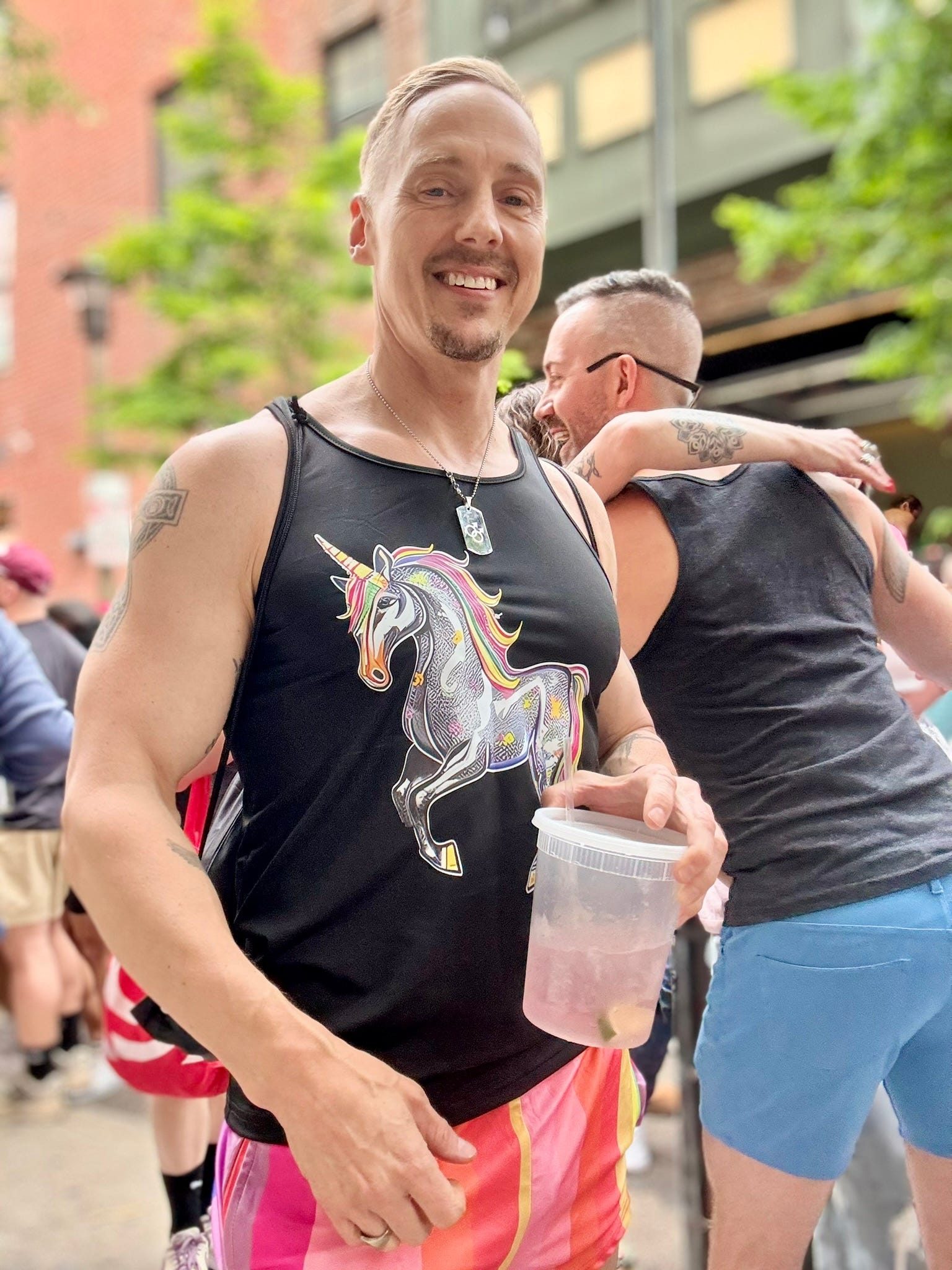
One of the truisms of being a member of the LGBTQ+ rainbow is that coming out is a continuous and iterative process. Every time we meet someone new, take a new job, join a new house of worship, or move to a new city, we have to decide if we’re going to come out and, if so, to whom and to what degree. A lesser known corollary is that coming out to people who consider themselves progressive, straight allies also carries potential risks. We are often so laser focused on people who are overtly hostile to our queer identities that we forget about those well-meaning people who claim to be allies but still bear attitudes and expectations of us that are oppressive. When challenged with their homophobia or transphobia, these people may express since sincere surprise, indignation, and even hurt.
Of course, that’s the problem with internal bias. We’re not always aware of the oppressive systems in which we have been steeped and by which we have been shaped. As a White man serving a Black congregation, for instance, I continue to become increasingly aware of the subtle ways that our special brand of American racism has been inculcated into even well-meaning White men like me.
